
Be Brave Travel Academy was built from both lived experience and professional expertise, because accessible travel isn’t just a niche. It’s something people depend on.
This work Is personal.
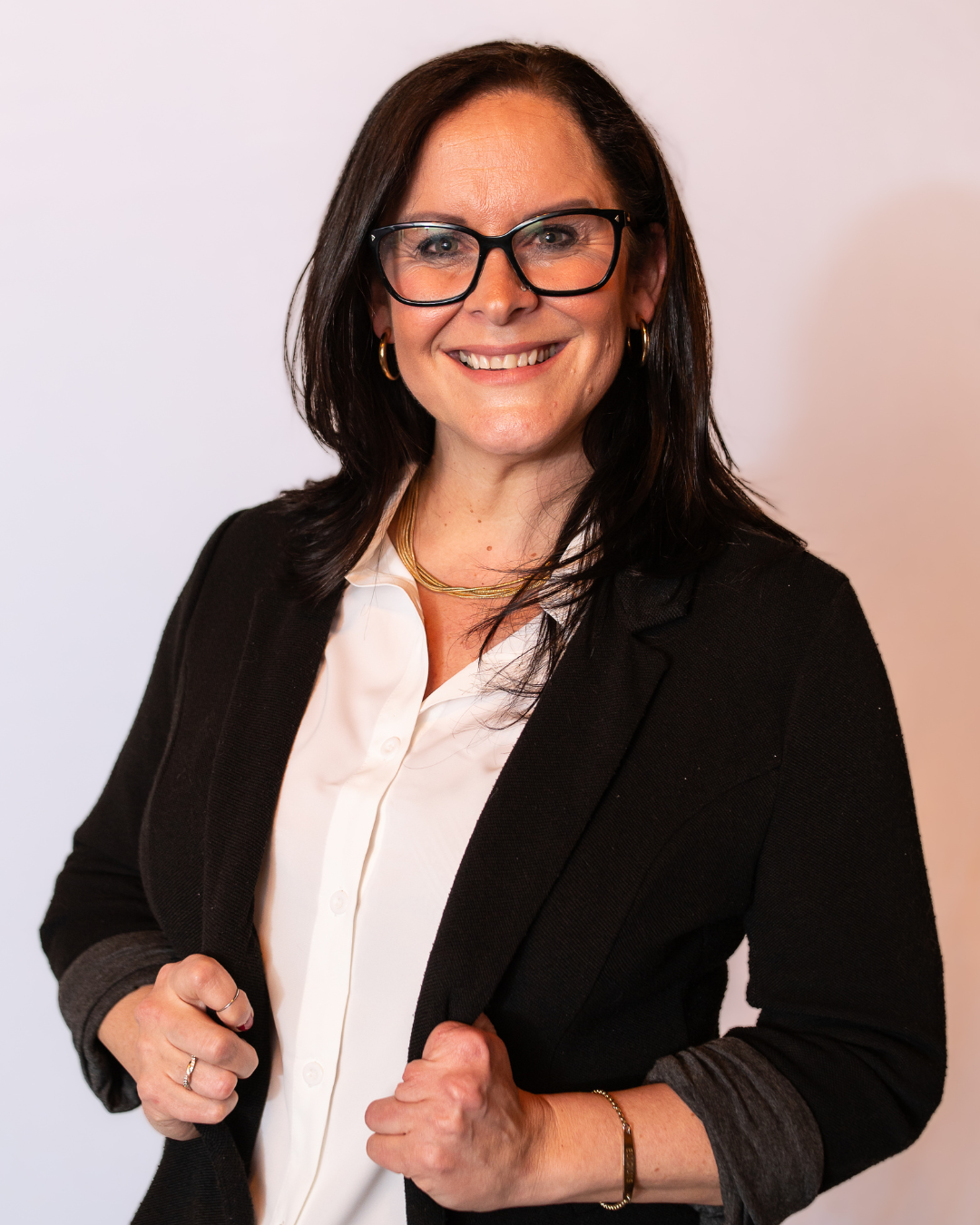
April has worked as an an occupational therapy assistant in skilled nursing and rehabilitation since 2015. It was in 2025 that she started booking travel as an accessible travel advisor. This career transition allowed April to use her OT background, love of travel, and a passion for problem solving in a way that helped get people where they had always wanted to go.
April’s work in occupational therapy taught her so much. She know what it means when someone says they can transfer independently but only in certain setups. How exhausting travel days can be on the body. She knows that an "accessible room" online can look very different once someone arrives.
When April became a travel advisor, she saw little was being offered in the way of accessibility training and how that impacted how this population was being served.
That gap became impossible to ignore.
Be Brave Travel Academy came from wanting to give travel advisors practical tools to serve these clients and help more travelers feel comfortable saying yes to the trip.
April is also the author of the award-winning memoir, The Room to Be Brave, and a public speaker.
April Day Garcia
Co-Founder,
Chief Experience Officer
Meet the Founders
Michelle Balcarcel
Co-Founder,
Chief Academic Officer
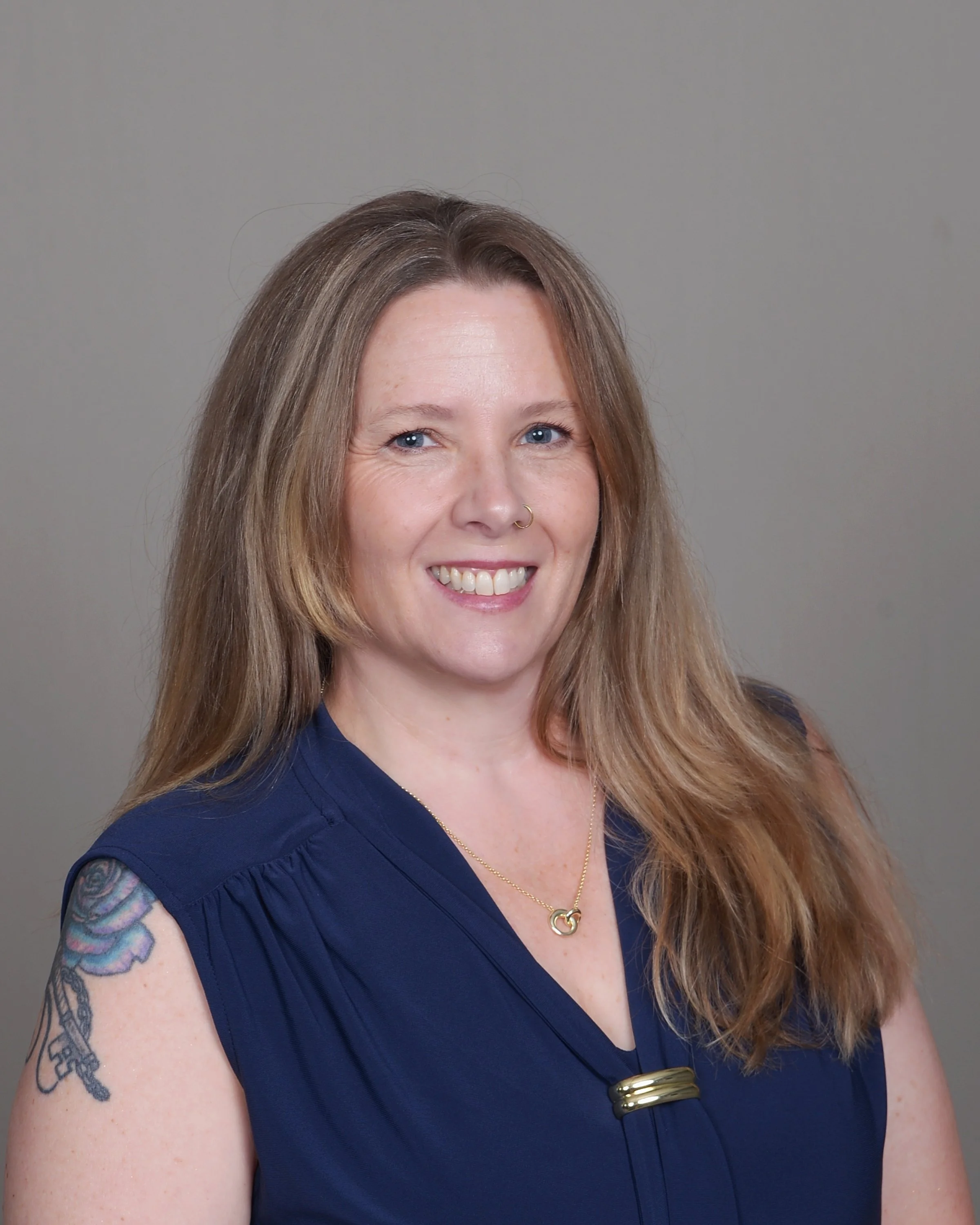
Michelle brings a layer thoughtful clinical reasoning to the BBTA program. She can see problems before they happen and create solutions to avoid them. That's a skill that can't be taught, and a big reason she is writing the curriculum for this program.
She brings over a decade of experience in geriatrics and rehabilitation, along with lived experience as a caregiver and parent.
In 2025, Michelle's husband became a part-time wheelchair user and she has learned so much from her neurodivergent daughters. She knows firsthand how the world was not built with her family in mind, and if that was true for Michelle, it must be true for so many others.
Michelle brings an understanding of both the clinical side of disability and what these travel experiences actually feel like for families navigating them.
Everything taught inside BBTA is shaped by the perspective of real-life experience, practical solutions, and the kind of details that are easy to miss if you've never been trained to look for them.
About Be Brave Travel Academy
Be Brave Travel Academy was founded by two April Day Garcia and Michelle Balcarcel, two Certified Occupational Therapy Assistants with more than 20 years of combined clinical experience.
Michelle and April met in COTA school in 2012 and have spent years working together in subacute rehabilitation, helping people navigate life after illness, injury, disability, and major life changes.
When April moved into accessible travel, she kept running into the same problem: travelers who needed better support, but very few advisors had meaningful training in accessibility.
There were a handful of supplier trainings and scattered resources, but nothing that truly explained how disability impacts travel in real life, or how to confidently plan for it.
April knew that if she was going to create the training she wished existed, she couldn't do it alone.
Michelle was the obvious choice.
Michelle’s clinical reasoning, ability to anticipate challenges before they happen, and deep compassion for the people she serves make her one of the most skilled professionals April had ever worked with. She brings a perspective that strengthens every part of this curriculum and ensures the training remains practical, thoughtful, and grounded in real-world experience.
Today, while April and Michelle hold different roles within the academy, they share the same mission:
Travel for EveryBODY.
April and Michelle believe travel should be accessible, inclusive, and thoughtfully planned for people of all abilities. Their goal is to give travel advisors the knowledge, confidence, and tools they need to better serve travelers with disabilities, chronic illnesses, mobility challenges, sensory needs, and other accessibility considerations.
Because accessible travel shouldn't be a niche.
It should be the standard.
OT reasoning applied to accessible travel planning
Occupational therapy is about helping people do the things they need and want to do safely and with as much independence as possible.
That's what good accessible travel planning requires too.
Not just a checklist. But a clinical framework. The ability to assess what a client actually needs, anticipate where things could break down, and build a plan that holds up in the real world.
When April and Michelle looked at what existed for travel advisor training in accessible travel, they found vendor-specific modules, one autism course, and a lot of well-meaning content with no clinical foundation behind it. Nothing existed that reflected what they know from over a decade each of working directly with people with disabilities.
So they built it.
What the founders want for you:
April and Michelle want you to be the advisor your clients with disabilities have been hoping to find. The one who knows what questions to ask. Who can say yes to the client who uses a power wheelchair, the client whose child is autistic, the client managing an autoimmune condition where a missed connection isn't just an inconvenience.
They want you to say yes to these clients because you know what you're doing.
And here's what that means for your business. Travelers with mobility disabilities alone spend $58.2 billion per year on travel. They travel with nearly the same frequency as travelers without disabilities. More than half say they would spend over $1,000 more per year if the industry actually met their needs.
That's not a small market quietly waiting to be noticed.
That's a massive, underserved population that is ready to spend, and are deeply loyal to the people who get it right. Because when a traveler with a disability finds an advisor who actually knows what they're doing, they don't shop around. They come back. They refer their friends, their family members, the people in their community who have been told by other advisors "I'm not sure I can help with that."
Demand for accessible travel is increasing, but the supply of advisors ready to meet it isn't keeping pace.
That gap is your opportunity.
This is not a niche.
This is a market that has been underestimated, underprepared for, and underserved for too long. Be Brave Travel Academy wants to change that, starting with you.